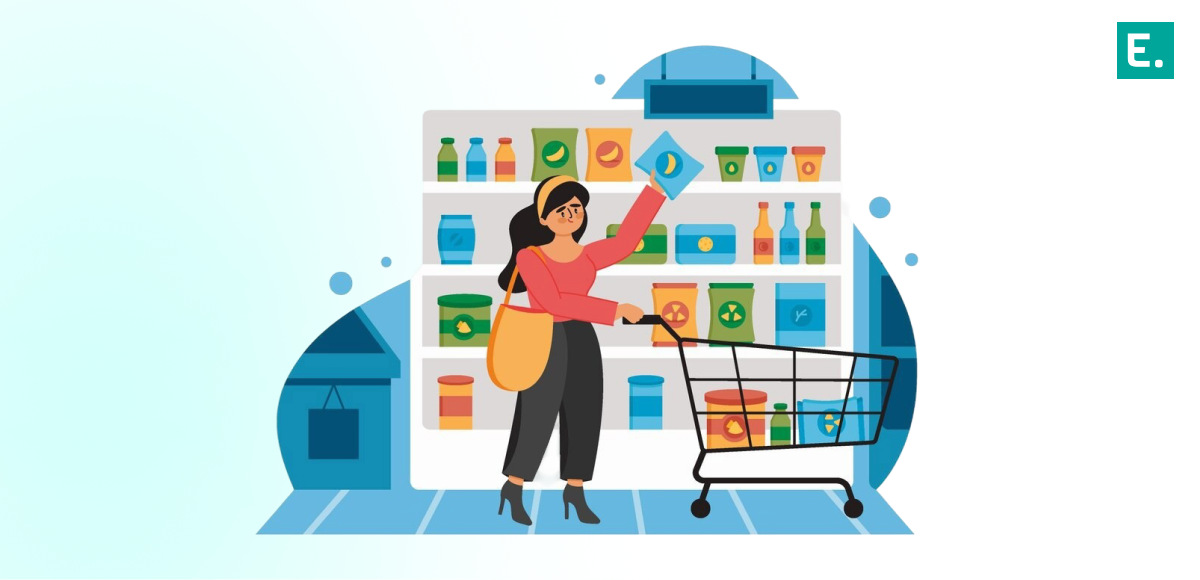
The hyperlocal grocery business is flourishing in Tier-2 cities in India. People in cities such as Raipur, Hazaribagh, Jamshedpur, and Ranchi desire fast service and simplicity of use of modern quick commerce as well as the confidence and product availability of traditional kirana stores.
Rapid expansion poses a lot of operational challenges. When the store network expands beyond 100 locations, classic supply chain models reach their limits fast.
The Operational Bottlenecks of Hyperlocal Grocery Scaling
With the increase in orders at shopping centers, complications come to light:
- Delay in Order Fulfillment : The time taken in retail fulfillment is often more than two days and thus leads to empty shelves in retail stores when maximum customers are around.
- Poor Inventory Management : Failure of real-time inventory monitoring leads to misallocation of items and wastage of resources.
- Poor Transport System : The faulty transportation network does not allow effective distribution of supplies among retailers.
In order to successfully expand and satisfy customers, grocery stores need to rethink their logistics system.
Building an End-to-End Regional Fulfillment Engine
These bottlenecks are to be addressed by establishing a decisive change in middle-mile and B2B fulfillment. Leading supply chain orchestrators such as Edgistify shall provide specific solutions that help fast-scaling hyperlocal brands to move from immeasurable logistics into integrated tech-driven jobs.
1. Strategic Fulfillment Center Setup
Building regional fulfillment centers, from real estate assessment through infrastructure designs to optimized floor layouts, brings stock closer to retail demand densification.
2. Dedicated B2B Transport Networks
The establishment of dedicated B2B distribution fleets that substitute fragmented local carriers enables predictable dispatch cycles and eliminates stockout risks for stores.
3. Operational Standardization and FIFO Control
The implementation of FIFO inventory control methods reduces perishable waste and stock discrepancies without compromising quality.
4. Real-Time Performance Monitoring
Standardized KPI dashboards, custom management reporting, and real-time monitoring of inventory movements provide complete visibility for operational teams over stock movements and turnaround times.
The Business Impact: Speed, Accuracy, and Cost Efficiency
Maintaining effective supply chain practices delivers remarkable operational improvements:
- Assured Next-Day Delivery : Order fulfillment time drops from more than 48 hours to next-day delivery times.
- 40% Decrease in Labor Costs : The use of Standard Operating Procedures (SOPs) enables better performance of employees compared to previous years.
- Low Inventory Variance : The extent of inventory fluctuation is reduced to the lowest value of 0.2%.
Creating a hyperlocal grocery network within Tier-2 India requires more than just high demand; it needs a flexible and technologically supported supply chain.