Executive Summary
- Working Capital Efficiency : Transition from manual, asset-heavy logistics to predictive, tech-enabled routing, drastically reducing blocked working capital associated with COD float and returns.
- Cost Structure Improvement : Implementing a unified, automated inventory view and optimized last-mile routing can reduce the average D2C logistics cost from a typical 15% to a scalable 10%.
- Revenue Multiplier : By building deep, decentralized infrastructure across Tier-2 and Tier-3 cities, businesses unlock latent demand, enabling exponential (2x+) revenue scaling without proportional increases in overhead.
Introduction
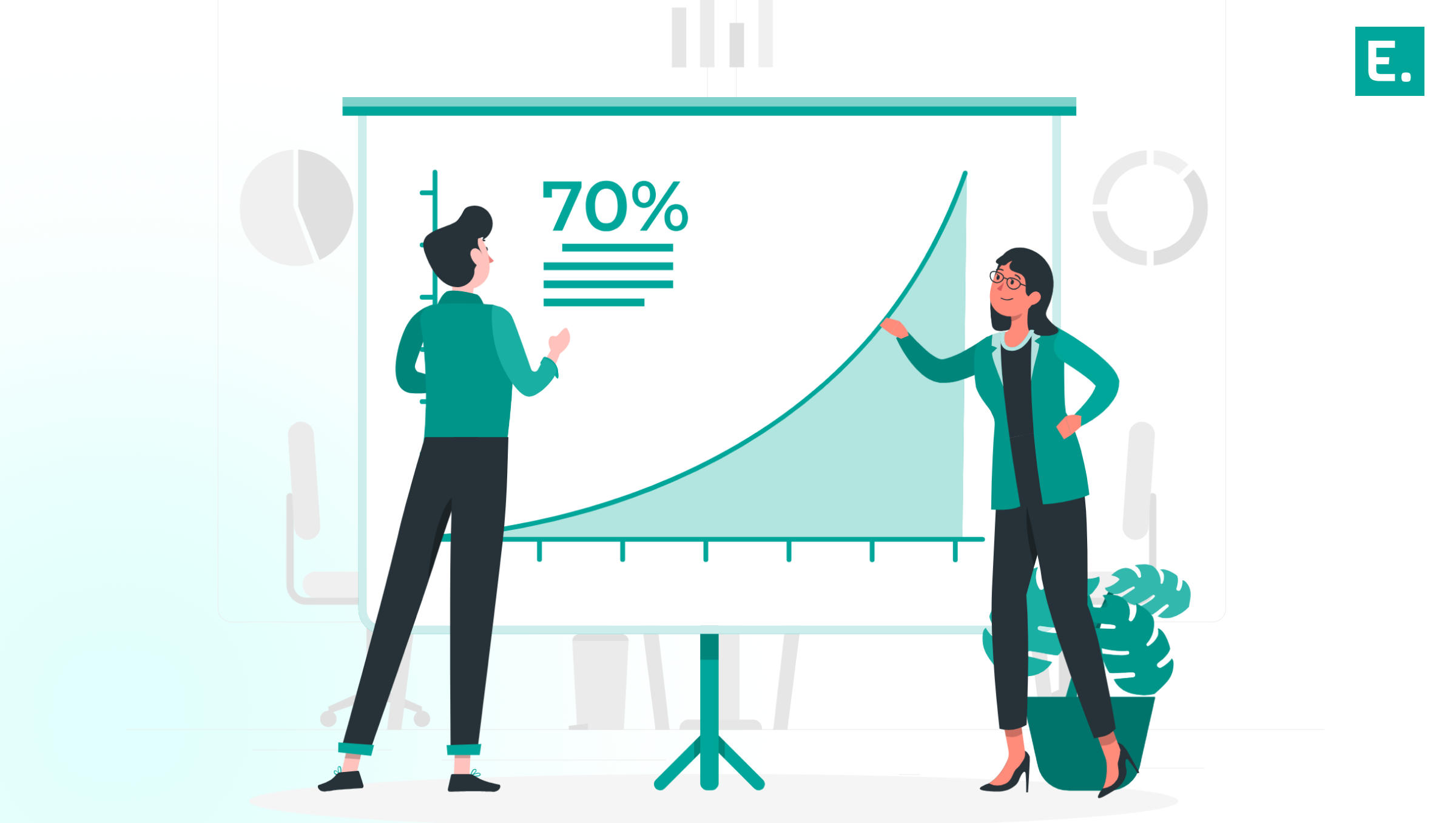
The journey from a ₹20 Crore regional player to a ₹500 Crore national force is not a linear progression; it is a complex, exponential scaling curve defined by penetration depth. In the Indian e-commerce landscape, the true frontier is no longer the metros (Tier-1). It resides in the vibrant, complex ecosystems of Tier-2 and Tier-3 cities—markets characterized by high disposable income, deep local demand, and severe logistical friction.
For most D2C brands and retailers, scaling here means wrestling with cash flow blockages due to Cash on Delivery (COD), managing volatile Return-to-Origin (RTO) rates, and navigating localized infrastructure gaps. Relying on fragmented, ad-hoc logistics partnerships is simply a recipe for EBITDA erosion.
What is required is not more manpower, but a re-engineered, data-first infrastructure model.
The Core Challenge: Why Tier-3 Requires a Paradigm Shift
The fundamental assumption that a Tier-3 city operates like a Tier-1 city is financially ruinous. The operational variables—last-mile complexity, payment methods, and physical infrastructure—are fundamentally different.
Problem-Solution Matrix: Scaling Friction in Tier-3 Markets
| Operational Problem (The Pain Point) | Financial Impact | The Required Solution (Infrastructure) |
|---|---|---|
| Fragmented Inventory Visibility: Stock is siloed across multiple warehouses/partners. | High carrying costs; inaccurate fulfillment promises. | Unified Inventory Pools: Real-time, single source of truth for stock availability. |
| COD & Payment Reconciliation: Manual tracking and delayed bank credits. | Massive blockage of working capital; increased risk. | Automated Tally Reconciliation: Direct, verifiable payment tracking from the point of sale. |
| Last-Mile Optimization: Non-standardized routes, high RTO penalty. | High logistics cost (15%+); wasted resources. | Dynamic Routing Engine (EdgeOS): Hyper-localized, predictive route planning. |
Building the Infrastructure Model: From Cost Center to Profit Driver
The mistake most companies make is treating logistics as a cost center (a necessary expense) rather than a strategic infrastructure asset (an investment that enables growth).
A truly agile scaling model requires three interlocking technological pillars: Visibility, Predictability, and Automation.
Pillar 1: Achieving Unified Inventory Pools
Before optimizing routes, you must optimize where the product is. The concept of a 'Unified Inventory Pool' means that every SKU, regardless of whether it sits in a central warehouse, a local distributor's store, or a micro-fulfillment center, is viewed as part of one cohesive, available stock unit.
The Impact: This allows companies to implement dynamic fulfillment logic. If the main warehouse is bottlenecked, the system automatically routes the order to the nearest available pool in a neighboring Tier-3 city, drastically cutting transit time and cost.
Pillar 2: The Power of EdgeOS for Hyper-Local Efficiency
For true agility in Tier-3 markets, the decision-making process must happen at the edge—the last mile itself. This is where EdgeOS comes into play.
EdgeOS is not just mapping software; it is a predictive, localized operating system that ingests real-time data points: local traffic patterns (e.g., monsoon blockages), local market density, and historical delivery success rates for specific pincodes.
How it works: Instead of defaulting to the shortest distance, EdgeOS calculates the most reliable path, minimizing delays and maximizing the daily delivery throughput of a single field agent. This is the primary lever for reducing last-mile cost.
Pillar 3: Automated Tally Reconciliation and Financial Closure
The financial friction in Indian e-commerce is often the greatest barrier to scaling. Manual reconciliation of COD payments, failed deliveries, and returns is a full-time job that consumes CFO bandwidth.
By integrating a system for Automated Tally Reconciliation, the moment a successful sale is logged by the courier partner, the system automatically validates the payment status, updates the ledger, and triggers the necessary financial entries.
Financial Benefit: This minimizes the working capital block period from days to mere hours, allowing the business to rapidly reinvest cash into scaling inventory or promotional cycles, directly boosting EBITDA.
Quantifying the Scale: Financial Impact of Infrastructure Optimization
The integration of these three pillars (Unified Pools, EdgeOS, Automated Reconciliation) fundamentally shifts the unit economics of the business.
Data Table: Cost Reduction and Efficiency Gains
| Metric | Pre-Optimization (Manual/Fragmented) | Post-Optimization (Infrastructure Model) | Improvement (%) |
|---|---|---|---|
| Logistics Cost % of Revenue | 15% - 18% | 9% - 11% | $\downarrow 30\%+$ |
| Working Capital Blockage (COD) | 7 - 14 Days | 1 - 2 Days | $\uparrow$ Cash Flow Velocity |
| RTO Rate (Tier-3 Avg.) | 12% - 18% | 8% - 10% | $\downarrow$ Operational Waste |
| Time to Fulfillment (Tier-3) | 48 - 72 Hours | 24 - 36 Hours | $\uparrow$ Customer Satisfaction |
The reduction in logistics spend from 15% to 10% translates directly into massive improvements in gross margins, providing the necessary capital buffer to accelerate marketing and product development—the true engines of hyper-growth.
Conclusion: Beyond Logistics, Towards Market Mastery
For the business leader looking to transition from a regional success story to a national powerhouse, the focus must shift from managing logistics to engineering the infrastructure of trust and efficiency.
The infrastructure model we outlined—combining unified visibility, predictive routing (EdgeOS), and instant financial closure—does not just save money on transport; it de-risks the entire expansion play in the complex Tier-3 market. Mastering this operational infrastructure is the single greatest determinant of whether your growth will be sustainable, profitable, and truly exponential.