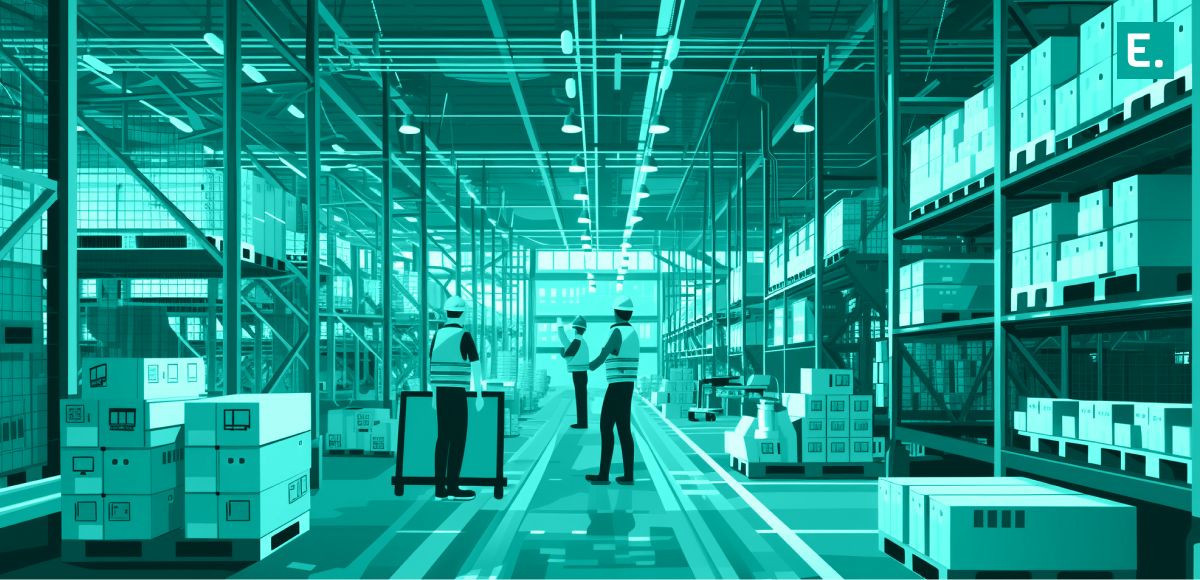
In the fast-paced environment of automated retailing, your entire business model hinges upon the concept of availability. If a customer arrives at a food and drink vending machine during rush hour at a busy metro station, big office, or hospital, they should be able to access their favorite snack or drink. If the machine is out of stock, the sale will be lost forever.
For expanding automated retail networks operating in multiple locations across the country, stockouts during peak time are not mere inconveniences; they represent silent killers of revenue. Unplanned stockouts during busy periods may cost the vendor as much as 20%-30% of their sales potential for the day. Knowing why these problems occur and how modern execution of supply chain strategy can help eliminate them is critical for achieving sustainable profitability.
The Hidden Costs of Broken Replenishment Networks
The management of smart coin-operated vending machines requires a different form of logistics strategy than traditional brick-and-mortar retail outlets. The differentiating factor in vending machines is that they act as both the store and the storage unit for inventory.
When the replenishment system is disrupted, a series of operational problems arise, such as:
1. Inappropriate Warehouse Location: The movement of goods from a central warehouse to machine clusters requires a lot of time and causes stocked machines to remain unattended in case of a sudden increase in demand.
2. Poor Visibility of Goods: Lack of accessibility to information on goods inventory status results in poor decisions of operation teams about machine restocking.
3. Inefficient Last-mile Logistics: The reliance on inflexible restocking routes results in vending machines being out of stock when that moment coincides with a peak in foot traffic.
4. Technical Difficulties Making the Situation Worse: Technical complications such as stuck payment systems and bill validators lead to vending machines becoming unserviceable at peak demand times.
Building a Zero-Stockout Automated Retail Network
To surmount these operational challenges, there needs to be a transition from reactive restocking to a proactive, tech-oriented supply chain. Modern logistics partners known for their automated retail execution capabilities assist retailers in closing the gap between warehouses and micro retail kiosks.
Smart Micro-Fulfillment and Proximity
To keep up with rapid SKU turnover, inventory must be in proximity to the end-consuming machines. The establishment of local replenishment centers and dark hubs allows delivery runners to have multiple dispatches every day. Partnering with specialized 3PL suppliers and supply chain management firms, such as Edgistify, smart retail networks optimize dark store locations to minimize logistics time.
Contemporary Inventory Management & Standard Work Procedures (SWPs)
Going digital with standard work processes enables operators to have full visibility on inventory levels inside every machine. By following real-time data regarding usage, teams can define automatic reorder points. As a result, replenishing trucks could be loaded with the required SKUs matching each given site on the map.
Dynamic Route Optimization
As fixed delivery schedules are hardly in tune with changing habits of buyers, the introduction of area-specific routes utilizing dynamic routing enables reaching great availability of machines during busy morning, lunch, and evening peak use hours. Keeping the stock level of more than 80% leads to boosting customers’ loyalty and propelling repeat purchases.
Fast Technical Support in the Field (Service Level Agreement (SLA)-based)
Uptime implies not only the availability of the goods but also the successful operation of all hardware and software. Incorporation of field L1 technical support into last mile logistic processes allows to eliminate minor hardware problems within short time frames defined by the Service Level Agreement (2 hours). Fast problem solving helps avoid operational delays from turning into losses.