Executive Summary
- uparrow Revenue : Enables predictable scaling from ₹20 Cr to ₹500 Cr by ensuring near-zero fulfillment bottlenecks, maximizing daily throughput.
- downarrow Working Capital : Reduces working capital blockages caused by delayed dispatch and excessive inventory holding costs due to inefficient packing operations.
- downarrow Operational Cost : Implementing Dynamic Slot Allocation can reduce the D2C logistics cost component from 15% to 10%, directly boosting EBITDA margins.
Introduction
In the hyper-competitive landscape of Indian e-commerce, speed is not a feature; it is the cost of survival. For businesses scaling from the ₹20 Cr to the ₹500 Cr revenue bracket, the fulfillment center is often the single greatest bottleneck—a physical choke point that starves growth.
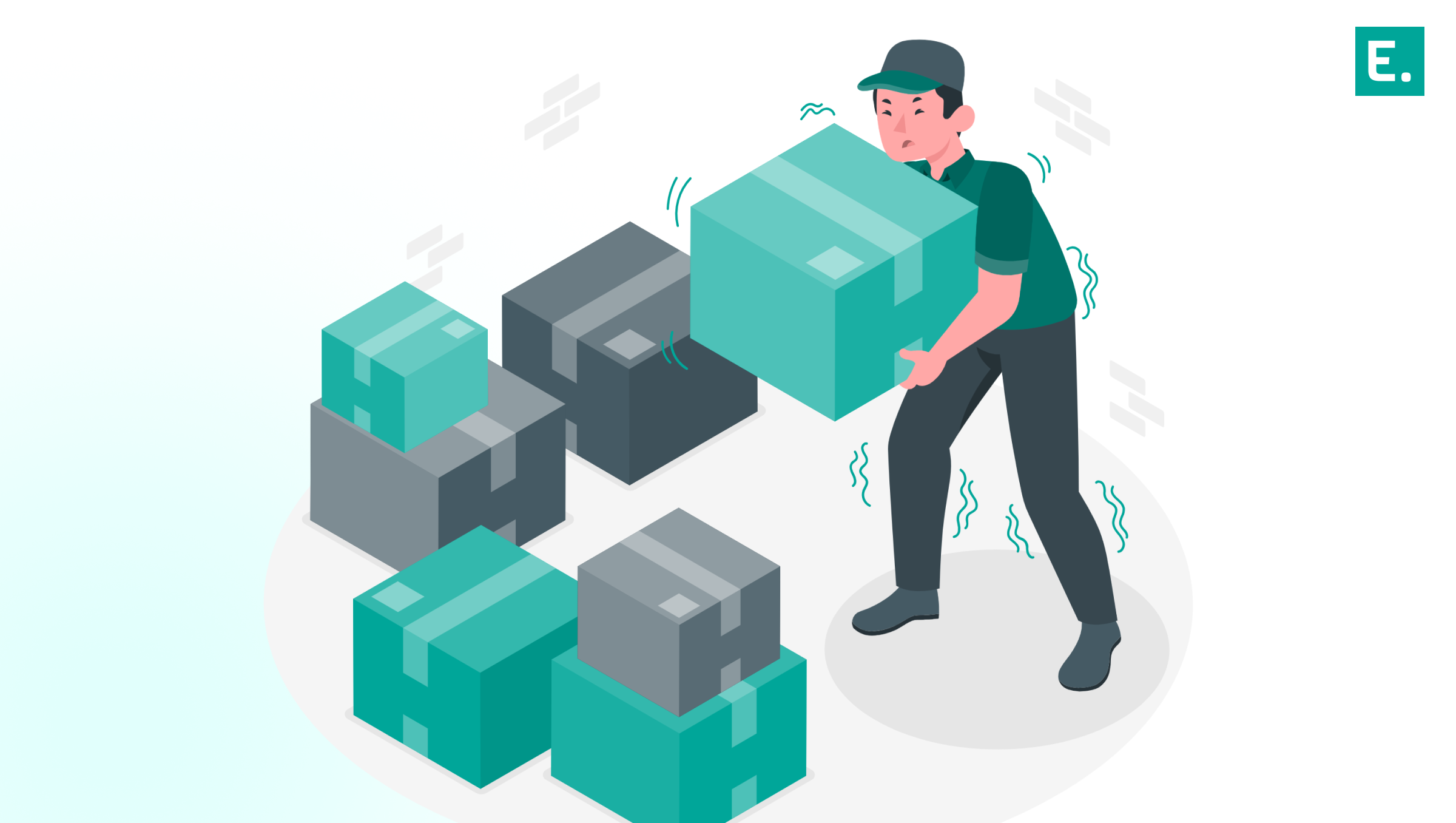
Traditional Warehouse Management Systems (WMS) treat every SKU, every channel (Amazon, Flipkart, Direct Website), and every destination (Tier-1 metro vs. Tier-3 town) as equally isolated. This results in the infamous Multi-Channel Packing Bottleneck: a chaotic dance of manual sorting, cross-channel mispicks, and inefficient slotting. The cumulative cost of this operational friction—measured in lost man-hours and excessive packing material usage—is devastating to your bottom line.
The solution is not more space; it is intelligence. It is the strategic implementation of Dynamic Slot Allocation combined with rigorous SKU Mix Rebalancing.
The Anatomy of the Packing Bottleneck in Indian Omnichannel Retail
The modern Indian retailer does not merely process orders; it manages a complex matrix of fulfillment types: COD requirements, high RTO rates, reverse logistics, and simultaneous fulfillment for flash sales.
The Problem Matrix: Why Static Slotting Fails at Scale
The core issue lies in the assumption of permanence. A static slotting strategy places high-volume items (the "A-movers") in the same location regardless of whether they are primarily sold through D2C (requiring specific packaging) or through a marketplace (requiring bulk handling).
| Pain Point (Current State) | Operational Impact | Financial Cost |
|---|---|---|
| Static Slotting | Workers travel excessive distances to pick disparate SKUs. | Increased labor costs; lower pick rates (Pick/Hour). |
| SKU Mix Chaos | High-volume, low-weight items are mixed with low-volume, high-weight items. | Inefficient use of cubic space; excessive packaging material waste. |
| Manual Reconciliation | Discrepancy tracking between physical counts and digital records (especially for COD/RTO). | Working Capital Blockage; time spent on error correction. |
The God Scientist’s Approach: Dynamic Slot Allocation & Rebalancing
Dynamic Slot Allocation is the process of using real-time data (AI/ML) to constantly optimize the physical placement of inventory within the warehouse based on predicted demand patterns, not historical averages.
SKU Mix Rebalancing: Predicting the Flow, Not Just Measuring It
SKU mix rebalancing is the strategic discipline of grouping items that are frequently ordered together—regardless of their size or channel—into the same physical zones.
Example: If your high-ticket electronics (D2C focus) are frequently bought with a low-cost accessory (Marketplace focus), the system must ensure these two SKUs are placed in adjacent, easily accessible slots.
This process dramatically reduces the "travel time" coefficient in your Cost Per Order (CPO) calculation.
Edgistify’s EdgeOS: The Intelligence Layer for Fulfillment Excellence
To execute this strategy flawlessly, you need an intelligent operating system. This is where the EdgeOS platform comes into play.
EdgeOS acts as the centralized brain, ingesting data from every touchpoint—sales channels, predictive analytics, and physical inventory movement—to execute the slotting strategy:
- Predictive Demand Modeling : Identifies the next 24-hour SKU cluster demand (e.g., Monsoon season footwear + accompanying waterproofing spray).
- Dynamic Reallocation : Instructs the WMS to physically move or designate the optimal picking slots for that cluster.
- Unified Inventory Pools : By managing inventory across all channels within a single, unified pool, EdgeOS ensures that the best-placed, most available SKU is allocated to the order, eliminating channel-specific silos.
This optimized flow of goods ensures that the picker is always selecting the next required item with minimal deviation, drastically improving throughput.
The Financial Impact: Converting Efficiency into Profit
The true measure of this operational shift is the P&L statement. By implementing dynamic slot allocation, the cost reduction is immediate, measurable, and compoundable.
Cost Reduction Quantification
| Metric | Before Optimization (Static) | After Optimization (Dynamic) | Financial Impact |
|---|---|---|---|
| Average Pick Time (per order) | 12 minutes (due to travel) | 7 minutes (optimized travel paths) | $\uparrow$ Throughput; $\downarrow$ Labor Cost |
| D2C Logistics Cost % | 15% of Revenue | 10% of Revenue | $\ge$ 5% Improvement in Gross Margin |
| Manual Reconciliation Hours | 4-6 hours/day | < 1 hour/day (Automated Tally Reconciliation) | $\downarrow$ Operational Overhead; $\uparrow$ Focus on Growth |
By slashing the D2C logistics cost from 15% to 10%, the 5-percentage-point saving translates directly into enhanced EBITDA, allowing the business to reinvest capital into expanding into deeper Tier-2 and Tier-3 markets.
Conclusion
Scaling an e-commerce business in India is a battle against friction. The friction points—the packing bottlenecks, the inventory silos, the manual reconciliation—are what ultimately determine whether a company remains a ₹20 Cr player or crosses the ₹500 Cr threshold.
Stop managing your warehouse with outdated rules of physics. Start managing it with predictive intelligence. By adopting Dynamic Slot Allocation powered by a unified system like EdgeOS, you are not just improving packing efficiency; you are fundamentally de-risking your growth trajectory and ensuring that your operational scale matches your ambitious market vision.