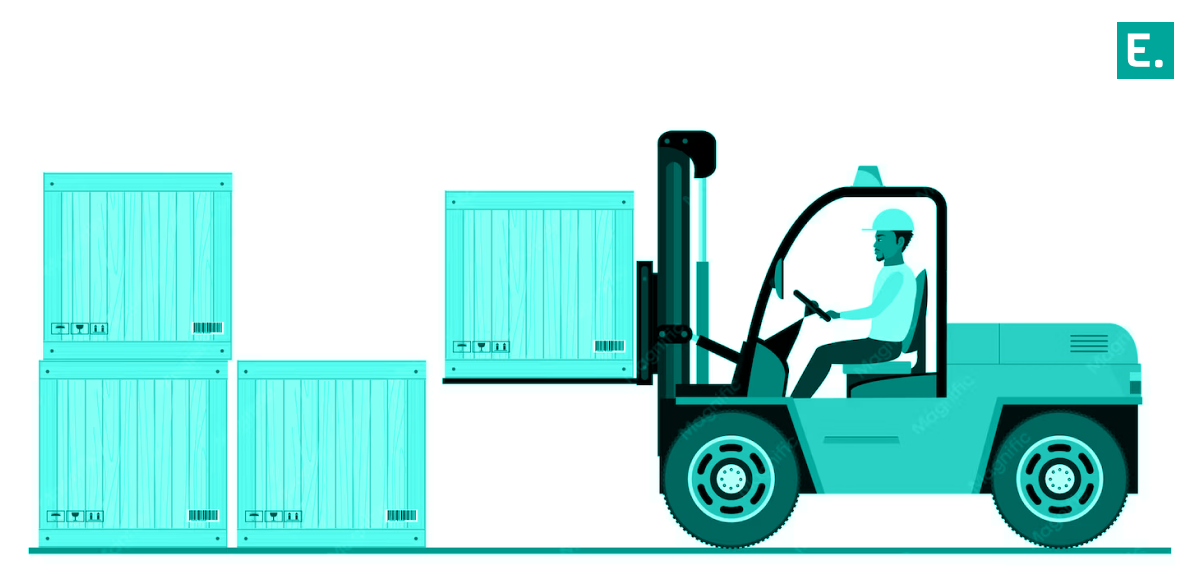
Fast expansion of the B2B beauty, personal care, and retail industries results in common problems with logistics: increasing fulfillment capacities without incurring unmanageable fixed overhead expenses. As D2C brands and multi-channel brands expand to regional B2B distribution, standard leases become burdensome and limiting.
To remain profitable while expanding across multiple cities, fast-growing brands abandon the rigid logistics model and adopt a flexible warehousing structure focused on efficient "pallet-in, box-out" operations.
The B2B Logistics Dilemma: Growth vs. Fixed Costs
The major Indian cities like Mumbai and Gurgaon pose their own challenges to companies that take their B2B business there:
1. High Fixed Capex: Long-term warehouse leases tie up working capital. This forces merchants to pay for empty stored space during off-peak times.
2. Operational Complexity: Receiving bulk shipments in pallets and breaking them down to dispatch accurate box deliveries requires good inventory management and trained workforce.
3. Fragmented Regional Supply Chain: Discrepancies in fulfilment criteria across major metro cities lead to delivery delays and stockouts in critical locations.
The Solution: On-Demand "Pallet-In, Box-Out" Fulfillment
To address these issues, leading brands utilize modern technology-enhanced fulfillment networks. Solutions provided by platforms such as Edgistify enable companies to change from rigid supply chain infrastructures to flexible, pay-as-you-go fulfillment models.
Benefits of Flexible B2B model:
- Efficient Pallet-to-Box Processing : Fast and effective receiving techniques allow for immediate inventory of incoming pallets, deconsolidating and preparation for accurate box-level B2B shipping.
- Variable Cost Storage Models : Instead of having fixed monthly payments, companies pay only for the actual size and volume of their storage space.
- Multi-City Hub Strategy : Putting inventory in place in places with high commercial density results in a decrease in the time of cargo delivery to retailers and distribution firms.
Quantifiable Impact: Overhead Reduction and Scalability
| Operational Metric | Traditional Fixed Model | Flexible Tech-Enabled Model |
|---|---|---|
| Storage Expense | High fixed rent year-round | Variable pay-per-use footprint |
| Regional Reach | Limited to single centralized hub | Rapid multi-city metro coverage |
| Scaling Agility | 3–6 months lead time for expansion | Instant volume adjustment |
| Order Accuracy | Manual box breakdown error risks | Automated inventory scanning |