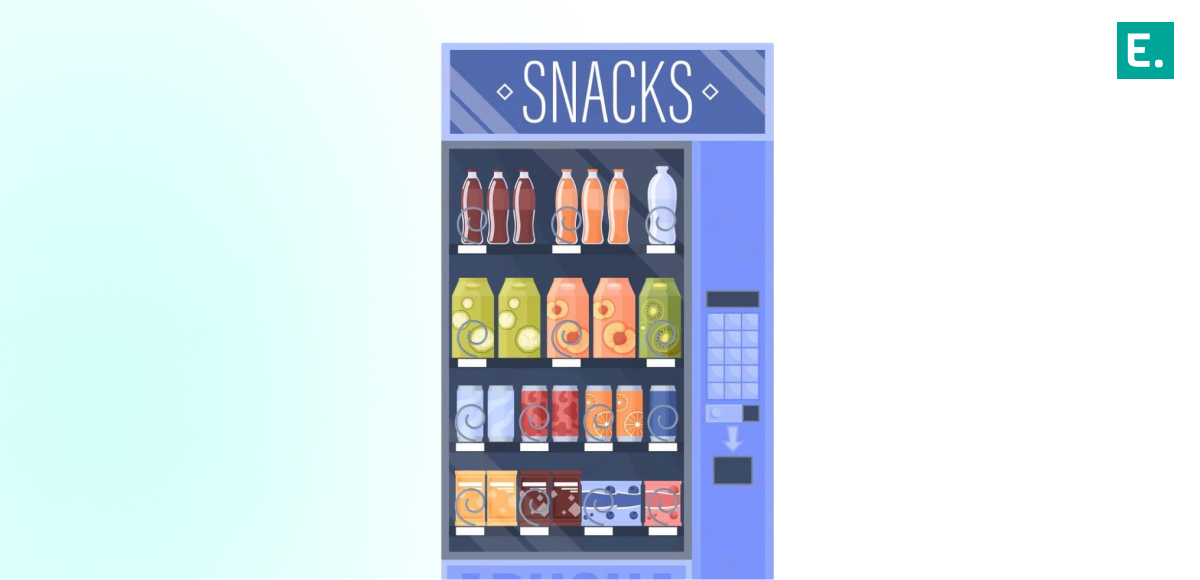
The High Cost of Empty Shelves in Smart Vending
The automated retail and touchless vending aspect of India is soaring in degree of expansion in various places, including corporate office places, great living areas, and transport locations, mainly due to the curiosity regarding the easy accessibility to varieties of food and drinks. They are growing to 150 kiosks, but the rapid growth is accompanied by various challenges such as stock-out situations during peak working hours. This problem occurs when numerous customers want to purchase products, but the vending system does not have some products, which tempts them to change their mind and go to places of competition.
- Poor Location of Warehouses : Storing goods in warehouses far away increases shipping times and causes delays in emergency restocking.
- Limited Visibility of Inventory : Without seeing the stock on the site, dispatch teams estimate how much they need to replenish.
- Once-a-Day Delivery : With the one daily restocking schedule, kiosks run out of stock before peak time.
- Inefficient Field Manpower : Missing stock replenishment opportunities and high costs for delivery happen because of poor routing management and lack of automation.
How Hyperlocal Fulfillment Transforms Vending Replenishment
To turn automated retail into a reliable, high-margin channel, brands must treat every vending kiosk like a micro-storefront backed by a hyperlocal supply chain.
| Operational Metric | Traditional Centralized Model | Hyperlocal Replenishment Model |
|---|---|---|
| Storage Location | Distant city-outskirts warehouses | Strategic urban micro-warehouses |
| Restocking Frequency | Once daily or ad-hoc | Multiple scheduled daily rounds |
| Inventory Control | Manual tracking with blind spots | SOP-driven real-time stock visibility |
| Peak-Hour Availability | Frequent stockouts during rush hours | Consistently over 80% inventory levels |
3 Pillars of High-Availability Vending Operations
1 Strategic Replenishment Hubs: By positioning goods in proximity warehouses, the last-mile delivery times can be effectively improved. Organizations such as Edgistify are making it easier for retailers to set up replenishing sites close to retail areas where food products can be delivered to the kiosks in a matter of minutes.
2 SOP-Driven Inventory Management: The implementation of standardized procedures allows for the elimination of losses related to the process of degeneration and errors related to the delivery of stock to vendors. Digital technologies offer the possibility of checking the inventory to facilitate load optimization based on the specific needs of a particular machine.
3 Multi-Round Last-Mile Execution: We offer the possibility of hiring specialists to implement multiple replenishment actions via route optimization. The latter provides the possibility of replenishing goods at peak times.