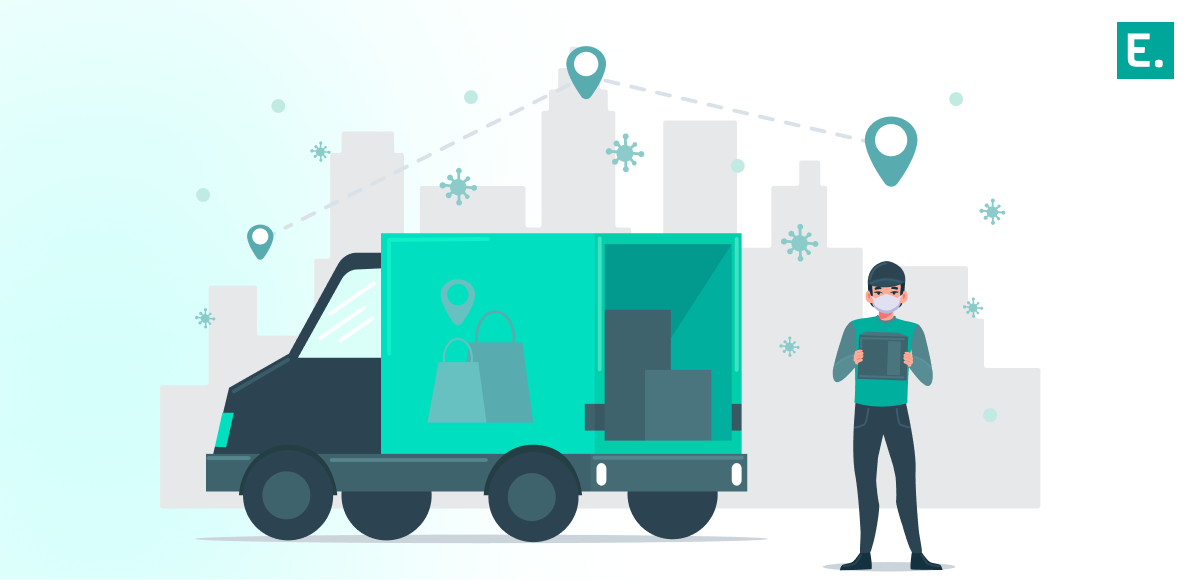
In the rapidly evolving world of logistics technology, companies can create an insurmountable advantage over their rivals through massive investment rounds. Well-funded companies have enough cash to build extensive networks by acquiring real estate and creating countless logistics hubs throughout the country, thus providing cheap prices for customers.
It is impossible for logistics companies without funds to compete directly with their opponents through investments. Trying to match the spending of competitors can drain resources.
Nonetheless, technology companies do not have to invest the billions necessary to play in the same league as their competitors. By using efficient and innovative partnerships, startups can grow their operations and improve their service.
The Asset-Heavy Challenge in E-Commerce Logistics
Developing a nationwide logistics network in-house necessitates a significant amount of capital:
- Leasing long-term locations in leading metropolitan areas.
- Utilizing logistics tools, racks, and safety systems.
- Managing personnel and complying with regulations in various locations.
When faced with proud competitors, building such systems in-house can lead to wasted capital and reduced efficiency.
The Strategic Blueprint: Asset-Light Partnerships
Agile logistics tech companies can team up with third-party logistics players to instantly gain access to physical facilities instead of constructing new structures themselves.
Step 1: Make Use of Flexible Physical Infrastructure
Instead of investing in proprietary storage facilities, logistics technology companies can work with partners like Edgistify that provide flexible, only-as-needed premium storage facilities, dark stores, and fully equipped operations in several cities simultaneously. As a result, fixed capital expenditures become flexible variable operating expenditures.
Step 2: Use Turnkey Operations and WMS
Having a facility is not enough to ensure speed of execution. By cooperating with structured third-party logistics providers, companies can have access to:
- Integrated warehouse management systems enabling real-time inventory tracking.
- Standardized processes of picking, packing, and sorting allowing fast reaction times.
- Targeted brand hubs specifically designed for complex omnichannel order fulfillment.
Step 3: Change the Focus from Cost to Speed
When budget-oriented competitors press shipping rates, successful logistics companies shift the focus to added-value services.
Turning Strategic Positioning into Acquisition Value
A fulfillment model that relies on (not controlled by) a company’s own assets will not only eliminate the “pain” of solving operational issues but will change the way market businesses and investors perceive a business.
- Speed of Network Expansion : Instead of delaying the process for years, leveraging the partner infrastructure enables companies to expand in the market from 4 to 10 major logistics hubs in months.
- Verified Merchant Loyalty : Providing end-to-end fulfillment boosts merchant retention rates and average order size.
- Becoming Attractive for M&A : Wealthy businesses in the market prefer acquiring flexible technological platforms with a loyal base of merchants and working delivery schemes rather than investing years in displacing them.
The combination of a smart software interface and meaningful physical partnerships helps users of the lean logistics platform reconcile innovation and physical execution, turning competitive pressures into strengths.
Key Takeaways
1. Stay away from CAPEX traps: Do not attempt to construct more than a competitor that is heavily financed in the field of real estate. Use partnerships to keep your balance sheet asset-light at all times.
2. Prioritize operational speed over low prices: Win merchants’ trust with proven SDD and NDD services through strategically located regional distribution centers.
3. Success creates buyers: By demonstrating that an asset-light technology business is able to provide rapid physical supply, your service will be highly attractive in the eyes of companies looking to acquire new businesses.