The active health and nutrition market is expanding quickly. From high-protein snacks to cold-brewed functional drinks, consumer demand for clean health products is growing quicker than ever.
Still, growing in the consumer health market comes with its own operational challenges:
- Active ingredients are sensitive to temperature variations.
- Short shelf-life requires careful batch management.
- Making a mistake with a single item causes problems to the brand.
For any growing brand, standard logistics practices quickly become an obstacle. To turn the cold chain logistics issue into a growth opportunity, brands must modernize their approach and leverage analytics.
The Hidden Risks of Manual Cold Chain Management
At the beginning, many health start-ups cater to their logistical needs through a decentralized inventory system and manual processes. While this approach can provide satisfactory results at smaller volumes of production, the explosive business expansion exposes major risks:
1. Temperature Fluctuation: Any drinks or dairy protein will need constant temperature control. Exposure to extreme temperature fluctuations will spoil food products and change their taste.
2. Expiry Cycle Risk: As long as there is no automated FEFO system in place, any mistakes made while picking orders will lead to the shipping of almost expired items, thus provoking expensive returns.
3. Blind Spots in the Inventory System: The lack of integration between the channels will mean that brand managers won’t be capable of forecasting the number of items available in stock in different markets, leading to stock shortages in the most important places.
Key Pillars of a Modern Perishable Supply Chain
1. Temperature-Controlled Multi-City Networks
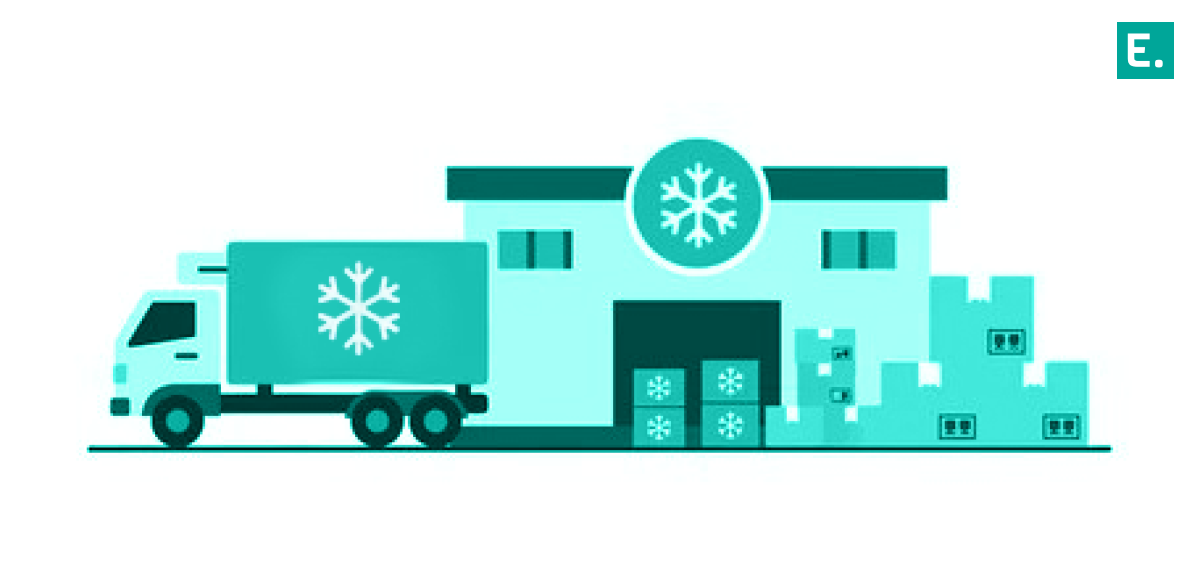
Using one major hub for fulfilling orders creates longer distances and transit times, thereby increasing the likelihood of thermal exposure. This issue can be avoided by establishing strategically located climate-controlled micro fulfillment centers in major cities like Delhi, Mumbai, and Bangalore, to keep products in the cold chain and lessen transit time.
2. Systematic Batch Traceability & FEFO Compliance
Automating receipt and dispatch operations eliminates any chances of human error. Each SKU entering the warehouse is registered with its batch number and expiry date. The system automatically organizes the picking orders according to the FEFO principle.
3. Visual Dispatch Validation & Audit Transparency
The need for perishable goods fulfillment creates the necessity of strong accountability. Setting up a system of real-time visual dispatch validation – taking photos of the packed orders along with packaging and batch labeling before the dispatch – allows for minimizing shipping conflicts, damages during transportation, and the number of goods returned to origin.
Partnering for Scale: The Edgistify Advantage
Developing customized cold-chain infrastructure in different tier-1 cities entails a considerable capital cost. Health-related business leaders nowadays look to partner with specialist, technology-enabled 3PLs like Edgistify.
Thanks to its proprietary operating engine and technology-enabled fulfillment centers, Edgistify allows health-care companies to implement cold storage and automated batch tracking and dispatch processes without bearing hefty initial capital expenses.