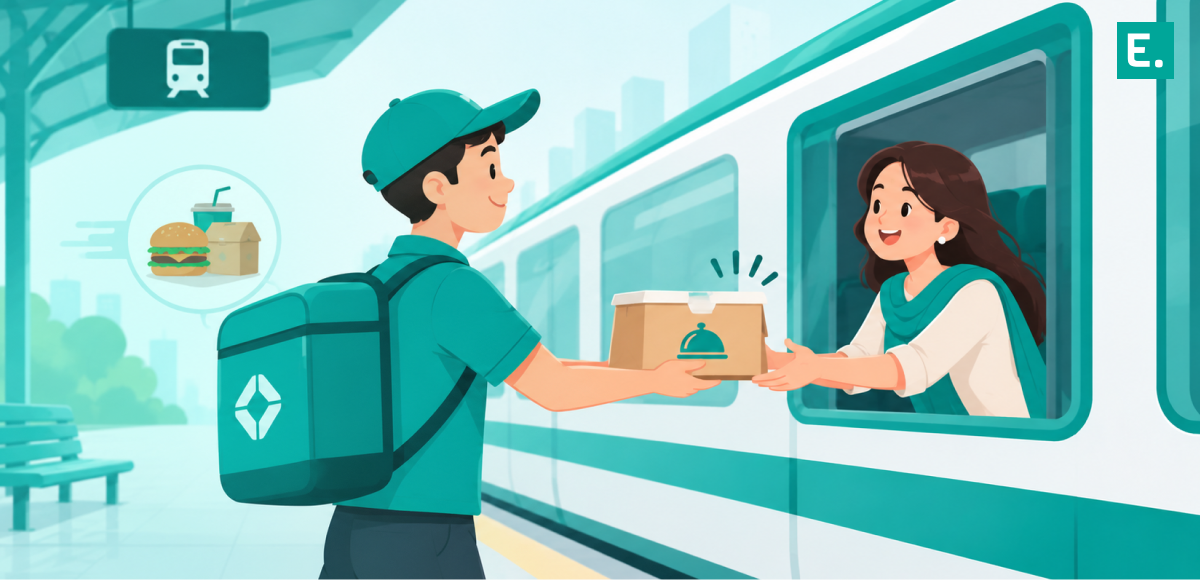
For competitive entities in the delivery scene, Service Level Agreement (SLA) compliance is a key aspect determining customer retention. In the field of quick-commerce and food delivery, a failure to meet a delivery window goes against efforts to enhance brand equity.
Under standard conditions of urban delivery practice, it is relatively simple to keep the SLA compliance levels high. However, when extending operations into more complicated service sectors that are characterized by friction, such as train station platforms, busy transport terminals, or expanding tier-2 markets, there arise many potential operational issues.
Top delivery companies have modernized their last-mile strategies and reached an SLA success rate of 99.8% instead of a mere 90%. Below are the operational strategies that made this transformation possible.
The Friction Points Bottlenecking Last-Mile Fleet Performance
Working in high-density or fast-tracking delivery environments presents unique challenges:
1. Unpredictable Order Speed: Orders from customers pour in quickly at specific moments (for example, during train arrivals or at lunch).
2. Unpredictable Human Resources: Frequent turnover of riders and differences in talent levels in different areas lead to variations in the quality of services provided.
3. Demand for Stringent Hygiene and Safety Conditions: Keeping controls on quality is essential to ensure that the food being delivered is safe and at the right temperature.
Strategic Levers That Raised Delivery SLAs to 99.8%
1. Fleet Management Based on Service Level Agreements and Innovative Labor Solutions
To increase efficiency in Tier-2 and Tier-3 localities, flexibility needs to be built into the logistics model. With fixed fleet sizes, businesses either experience idle periods for the workforce or lose out on fulfilling orders in times of surging demand.
Top players have started using data-oriented workforce management. The latest technologies in logistics have allowed companies such as Edgistify to create logistics solutions for companies that are capable of scaling their operations while remaining visible.
2. Tech-Integrated Real-Time Tracking and Node Visibility
To achieve a success rate of 99.8%, delivery companies must eliminate each blind spot in transit. Advanced Order Management Systems (OMS) and Fleet Management Software (FMS) include:
- End-to-End Visibility : Real-time tracking of riders, outdoor handlers, and last-mile runners.
- Automated Route Optimization : Algorithmic route adjustments that guide couriers through certain congested urban sections and stampede points.
3. Institutionalized SOPs and Regulation Compliance
Technological innovations must go hand in hand with rigorous discipline in operations:
- Protocols on Thermal Integrity : Use of high-tech insulated clothing helps to keep food temperature secure during transportation.
- Stationary Node Controls : Common, repeatable protocols of handing over deliveries are applied at more than 20 regional points and eliminate dependence on a particular rider’s discretion.