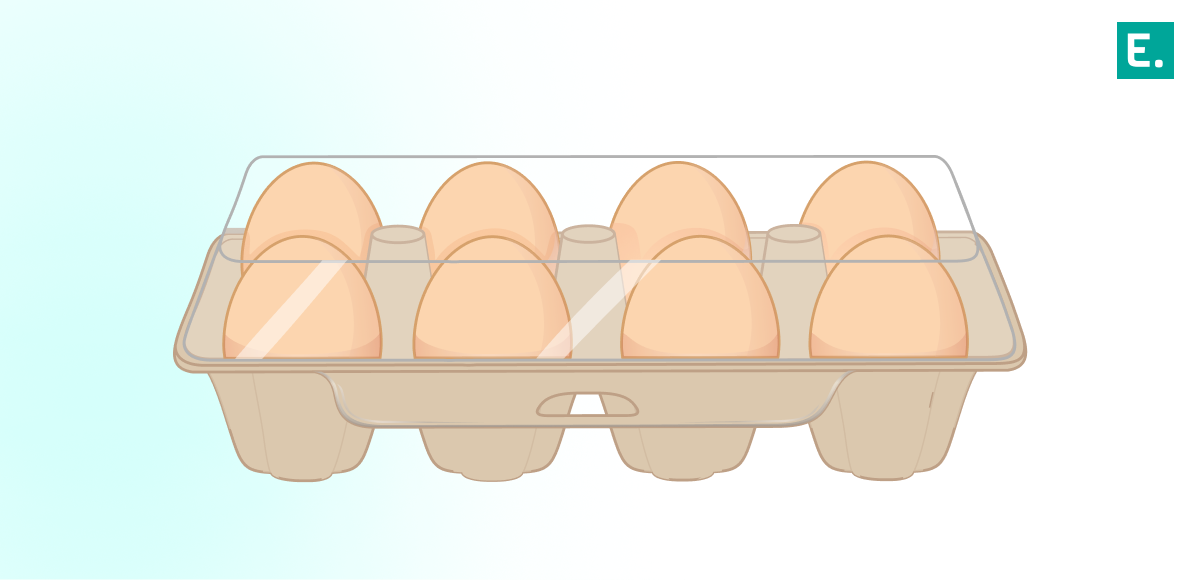
It is complicated to manage perishable food brands since it is typically affected by various factors, some of which include the retention period of items in the warehouses.
As demand for perishable goods increases, these firms may have to contend with various issues associated with running such activities, including difficulties in terms of ensuring proper storage and distribution, high demand, and the crucial need for price management.
3 Core Challenges of Rapid Perishable Expansion
1. Pressure of Quick Commerce Distribution Channel
Quick Commerce operators and modern trades expect rapid stock replenishment. If order volumes increase twofold, fulfillment systems face failures due to SLA limitations.
2. Traffic Throughput Nurturing
Central processing facilities in the periods of hyper growth may face space and machines limitations. Without implementing planned upgrading of machines or creating extra warehouse space, order processing may become impossible.
3. Growing Operating Expenses
Increasing speed of shipping of products, spoilage or losing the products in transit may cause significant losses in profitability unless logistics processes are properly organized.
A 4-Step Playbook for Scaling Perishable Operations
Stage 1: Growth of Network
Establishment of 3,000 sq. ft regional B2B centers in key urban demand locations
Stage 2: Capacity Enhancement
Acquisition of additional warehouse space and upgrading processing equipment
Stage 3: Standardization of Processes
Implementation of B2B protocol to reduce SKU damage rate by 11%
Stage 4: Increase Production Volume
Increase production volume from 500 to over 1,000 cartons at lower costs
Step 1: Create B2B Distribution Centers in Local Markets
To manage fast expansion, businesses need to decentralize their distribution. They can do this by establishing strategic 3,000 sq. ft. business hubs at essential regional locations (such as Mumbai and Hyderabad), allowing the flow of over 1,000 cartons a week while significantly cutting down the last-mile fulfillment time.
Step 2: Combine Upgrading Existing Facilities with Gradual Growth
Rebuilding or upgrading key primary facilities may leave companies exposed to operational troubles if not handled properly. Adopting a two-phase model where new processing systems are used along with facility expansion will allow uninterrupted fulfillment.
Step 3: Apply Uniform Fragile Handling Practice
Fast growth must not come at the cost of product quality. Employing better usage methods all along the B2B channels will help decrease fragile SKU damage rates by 11%, thereby increasing net profit.
Step 4: Utilize Tech-Enabled Logistics Providers
Tech-enabled logistics providers like Edgistify help fast-growing brands quickly establish scalable warehousing systems, improve inventory placement, and minimize order fulfillment costs with little initial capital investment.
Strategic Blueprint: Centralized vs. Decentralized Growth
| Strategic Parameter | Single Centralized Setup | Decentralized B2B Hub Network |
|---|---|---|
| Market Responsiveness | Slow response to regional demand spikes | Instant replenishment for local channels |
| Facility Capacity | Prone to severe operational bottlenecks | Scalable across distributed hubs |
| Logistics Efficiency | High long-haul transport expenses | Lower operating costs via consolidated regional transit |
| Fulfillment Capacity | Constrained during peak periods | Easily scales from 500 to 1,000+ boxes weekly |