The world of fresh food and perishables is a whirlwind of change. The high-speed operation of fresh food logistics and product integrity are oftentimes in direct opposition to each other. Brands that are seeing rapid growth in modern trade and quick commerce need to figure out how to operate within challenging turnaround timelines while keeping product loss to a minimum.
Interestingly, when demand spikes, centralized supply chains can be pinned down by a severe bottleneck. Providing quick fulfillment without affording to sacrifice one’s transit damage becomes an insurmountable challenge.
The Double Bottleneck: Turnaround Delays and Transit Damage
The rapid expansion into metropolitan areas has revealed two significant challenges for perishable goods logistics networks:
- 1. Penalties Due to Service Level Non-Compliance : The current trade and fast commerce systems require planned delivery slots in order to function effectively. Failing to perform satisfactorily could lead to stockouts, inability to fill up shelf space and financial penalties.
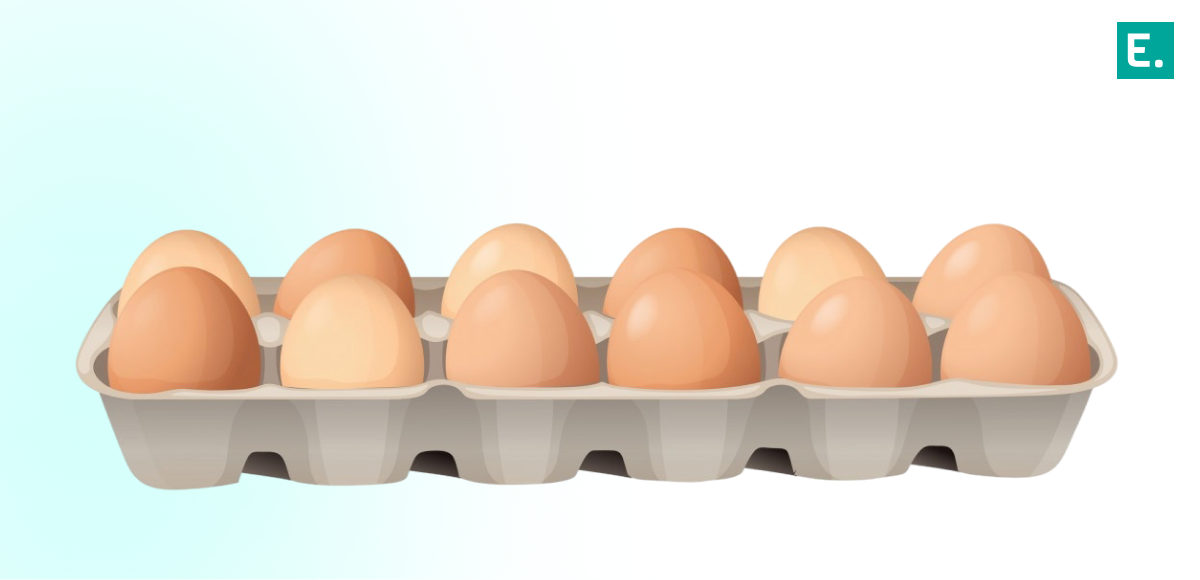
- 2. Increased Damage Rate : Fragile SKUs like fresh agricultural produce, dairy products, and eggs have to be shipped from a distant processing facility, leading to high damage rates, because every additional operation increases write-offs.
Once the demand for a product increases rapidly and only distant processing facilities are available, the effectiveness of operations decreases significantly and fulfilment costs increase.
Strategic Remedies: Decentralization and Process Optimization
1. Using Regional B2B Fulfillment Hubs
Rather than transporting smaller quantities on a regular basis from one central factory to various urban destination points, companies can establish their own regional B2B hubs in important growth corridors. Establishing small micro-hubs, each of which occupies an area of 3,000 square feet, enables companies to keep supplies located closer to metropolitan areas where their products are in demand. This change simplifies the final stage of delivery and guarantees compliance with the SLA for rapid fulfillment channels.
2. Making B2B Delivery Methods More Consistent to Reduce Damage
Presence of perishable commodities on the market necessarily leads to increased casualty risk during repetitive, inefficient processes of accepting and delivering shipments. Application of standardized practices for delivery of fragile products enables regional hubs to reduce SKU damage rate by as much as 11%.
3. Carrying out Step-by-Step Technological and Facilities Improvements
Reaching the limit of steel processing capacity of over 1,000 boxes on a weekly basis requires balanced development strategy. Executed in several stages, this development strategy will allow logistics professionals to implement upgrades of available equipment in their facilities, employ modern processing machines, and increase the local site capacity without stopping the process of active expansion.
Key Results of Regional Network Optimization
| Metric Focus | Legacy Single-Center Model | Decentralized Regional Hub Model |
|---|---|---|
| Regional Order TAT | Delayed by long-haul transit bottlenecks | Reduced to meet hyper-local SLAs |
| SKU Damage Ratio | High breakage due to multiple touchpoints | Reduced by 11% through standardized handling |
| Weekly Box Output | Capped at ~500 cartons | Scaled to 1,000+ cartons |
| Operating Costs | High due to emergency freight & damages | Optimized through consolidated regional movements |