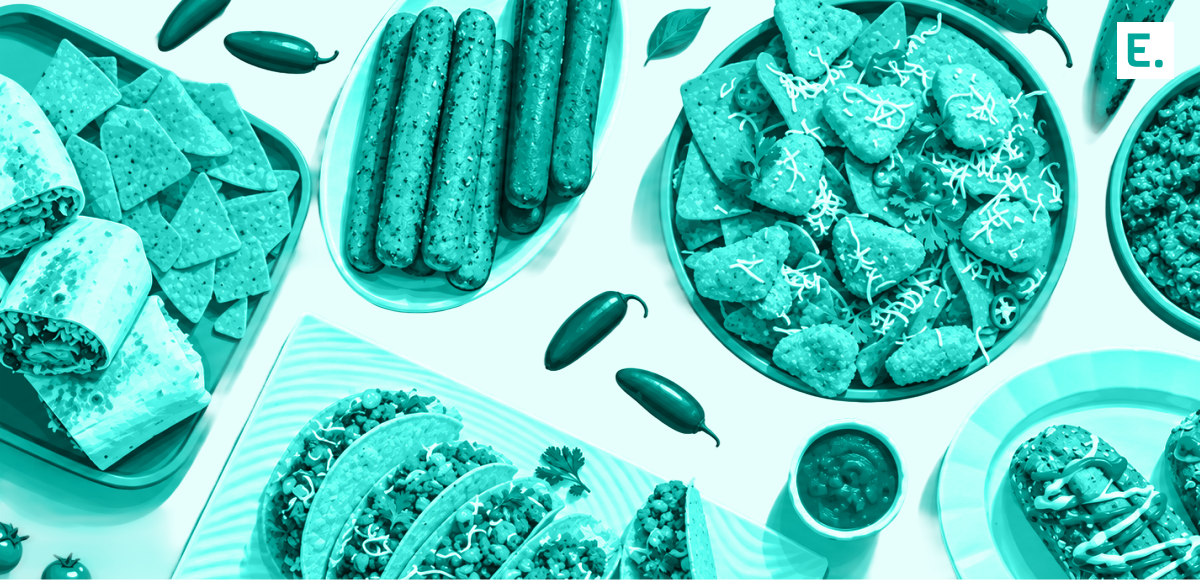
The segment of plant-based meat and protein substitutes is growing very fast in India. What can begin as a local direct-to-consumer (D2C) test or a regional launch in modern trade can quickly turn into a fast-expanding success story. As brands of frozen food try to enter new territories beyond their first markets, such as Mumbai or Delhi, they face a key challenge in cold-chain logistics.
The achievement of keeping sub-zero temperatures on an ongoing basis through the multi-city supply chain is quite a complex task for operations managers. To achieve scaling, frozen food startups must find a way to move to the large-scale warehouse model with multiple cities while not compromising on the integrity of frozen inventory or the rate of order refusals.
The 3 Core Bottlenecks of Cold-Chain Expansion
A frozen plant-based food company handling expansion from local to national distributor may have to deal with three major fulfillment challenges:
1.Limited Localized Storage Capacity: The storage of 50 pallets at one site may be too minimal considering a possible increase in orders by 5 times. Without sufficient warehousing capabilities, the company will have to overstock in order to meet growing demand, which will lead to temperature fluctuations, spoilage, and loss of revenue.
2. Limited Geographical Footprint: The expansion into new regional markets such as Delhi, Bangalore, and Mumbai may result in separate operations in these areas. Different logistics providers have to be employed, resulting in increased costs and low visibility over the supply chain.
3. Difficulties with B2B and Modern Trade Fulfillment: Selling via modern retail chains and B2B channels is fraught with problems requiring adherence to strict compliance rules. Using Partial Truck Load (PTL) means having to ensure there is an appointment ready for delivery, where an unscheduled arrival or a minor temperature change can mean large reorderings.
Strategies for Building a Flexible, Multi-City Cold Chain
To reach national markets while safeguarding perishable profits, plant-based food brands must upgrade their distribution systems:
1. Utilizing Flexible Multi-City Warehouses
Instead of tying up funds in long-term contracts, expanding companies should create adaptable cold storage facilities. Moving from one 50-pallet center to one with multiple locations (for example, 250+ pallets in the West region of India, 200+ in the North, and 100+ in the South) ensures closeness to markets, reduces delivery distances, and cuts down transit costs.
2. Interchangeable Box-In, Box-Out Inventory Management
Frozen food companies depend on quick turnover of stock and correct batch traceability. Implementing standard procedures for Box-in, Box-out would lead to quick cross-docking without human errors and thus make it possible to adhere to FIFO (First-In, First-Out).
3. Using Modern Logistics Technology
Running large multi-city cold warehouses and B2B deliveries requires unified management systems. Advanced logistics companies like Edgistify can utilize sophisticated tools for tracking shipments and supervising cold-chain management systems.
| Operational Benchmark | Local Pilot Stage | Scaled Pan-India Network | Strategic Impact |
|---|---|---|---|
| Warehousing Footprint | ~50 Pallets (Single Hub) | 550+ Pallets (Multi-Hub) | 10x capacity expansion with lower stockout risk |
| Fulfillment Model | Ad-hoc / Manual | Standardized "Box-In, Box-Out" | Faster throughput & reduced thermal exposure |
| B2B Transit Strategy | Full Truck Load / Fragmented | Scheduled PTL with Appointments | Lower logistics costs and zero retail rejection rates |
| Supply Chain Visibility | Siloed / Regional | Centralized Digital Platform | End-to-end audit trails for temperature integrity |