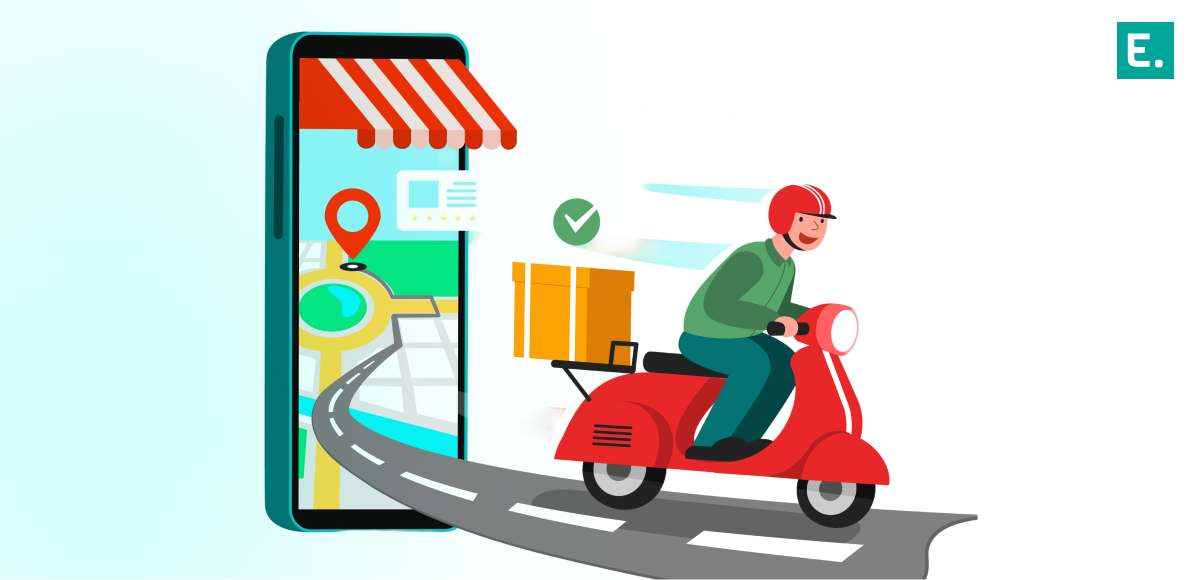
Ultra-fast delivery has significantly changed the way people purchase items online. Nevertheless, managing just a couple of successful dark stores in one city is not at all similar to creating a micro-fulfillment network across several cities. Due to order increases, brands often experience serious supply chain issues. Having a clear understanding of how to overcome those operational obstacles is essential for long-term growth.
Common Bottlenecks in Micro-Fulfillment Operations
1. The fragmentation of inventory and inexact forecasting
Having many little hubs instead of one main warehouse distributes inventory thinly across a city. Without predictive analysis, every individual dark store could end up overstocking slow-selling items while running out of fast-selling items at busy times.
2. Rising operational and logistics expenditures
Micro-fulfillment costs more in real estate costs per square foot and employs more people per square meter of space than traditional warehousing. To keep cost-per-order (CPO) manageable, one has to control labor management efficiency, spatial workflow efficiency, and routing efficiency.
3. Inconsistent SLA compliance at different locations
To maintain 98%+ SLA compliance, one needs to strictly standardize processes across the network of stores. Differences in dark store layouts and unstandardized training lead to differences in picking and delivery time.
Strategic Solutions for Scalable Growth
- Using Flexible 3PL Networks : Whenever brands want to establish and run their independent logistics business, it will involve handling a lot of money. Still, it is extremely important to have partnerships with suppliers like Edgistify, since this way businesses can implement 3PL strategies in 50+ cities without losing too much money.
- Using Supply Chain Automation : Thanks to centralized visibility systems, businesses can see what is going on in their main warehouses and cooling rooms. Also, because of real-time delivery monitoring, companies can automate their delivery systems.
- Using Replicable Models : It is possible to create and expand 3PL systems without any hiccups as brands are applying standards for a shelving system and process automation.