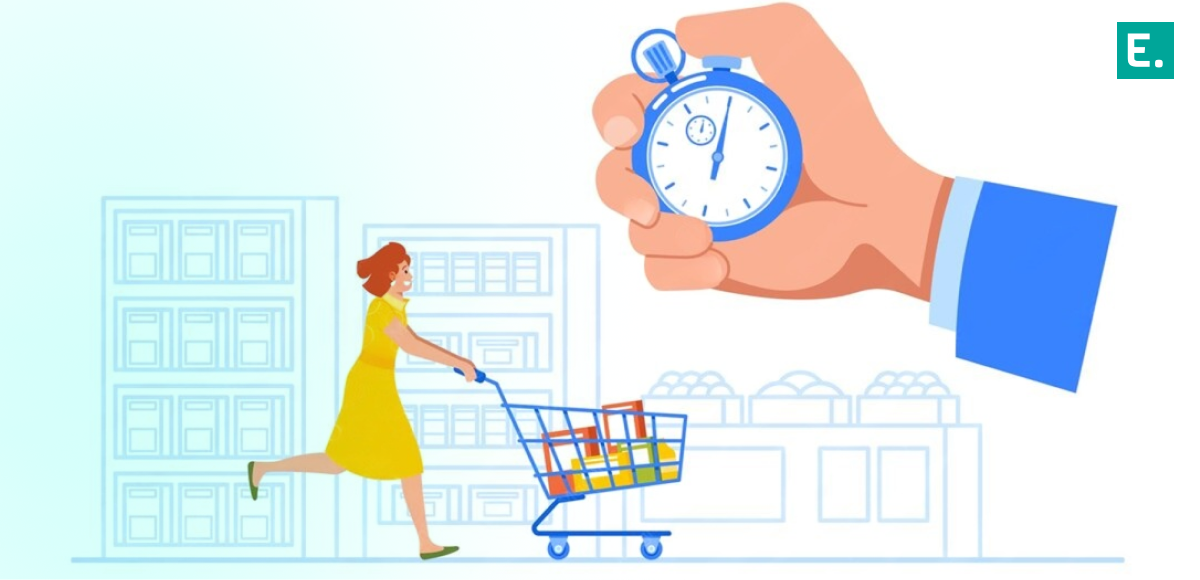
The rapid rise of quick-commerce (q-commerce) in the e-commerce landscape has influenced the way consumers think across urban markets. Delivering daily needs in less than 10 to 15 minutes has become the new expectation rather than the following of luxury.
The tool behind every immediate delivery is a flexible, data-abiding operational mechanism called a hyper-local dark store network. But what is the way leading brands go from traditional fulfillment to micro-fulfillment?
What is a Dark Store in Quick Commerce?
A dark store is a micro-fulfillment center that is located in a strategic way and intended for the sole purpose of processing online orders and not open to customers physically coming in. A dark store is different than a typical retail establishment since it has been built in such a way to do item picking, packing, and dispatching quickly.
1. Data-Driven Site Selection and Density Mapping
The establishment of an efficient dark store system necessitates utmost geographical accuracy. Companies cannot just rent any available business premises. To create a 10-minute delivery area:
- Mapping of the area : Dark stores tend to cater to a small area of a 2-3 kilometer radius around the warehouse.
- Demand clustering : Heatmapping technology shows the frequency of orders placed as well as the density of population and places where traffic can get stuck in order to situate a dark store just where the demand is developing.
- Paths : Locations are selected taking into account the speed of entering and exiting the dark store by the delivery person.
2. Micro-Fulfillment Operations and High-Speed Layouts
After the site has been secured, the subsequent step is optimization and internal layout, which is essential for operational success. Once it's a given that the micro-fulfillment center is established, every second counts in terms of the organization's success in achieving Service Level Agreements (SLAs) associated with their operations.
- High-movement SKU Location : the placement of the goods that move fast (e.g., milk, bread, snacks) should be such that they are placed closest to the packing area to reduce the distance traveled by the pickers.
- Vertical Space Usage : compact shelving systems maximize the space available for stock storage in small urban settings.
- Standard Pick Processes : following these processes, the pickers will be provided with destinations to visit in an optimal route by means of handheld devices that will allow the order assembly to take no longer than 90 seconds.
For all of that, it is crucial to apply good technology stack integration (like Edgistify’s EdgeOS), which will make it possible for organizations to have real-time inventory management, automate replenishment processes, and avoid stock-outs at micro-fulfillment centers.
3. Manpower Training and SLA Standardisation
People are still a very important part of the process of hyper-local delivery. In order to apply the successful approach of micro-fulfillment to traditional warehousing teams, structured orientation of workers and clear working procedures are required.
1. Separating Responsibilities: Having separate staff to perform picking, auditing, and packing of orders helps to avoid the operational bottleneck.
2. Kitting Process: The use of packing materials and auto-generated labels helps to lessen the time required for processing.
3. Constant Monitoring of Performance: New technologies allow measuring dispatch time and accuracy, thus helping to maintain customer trust.